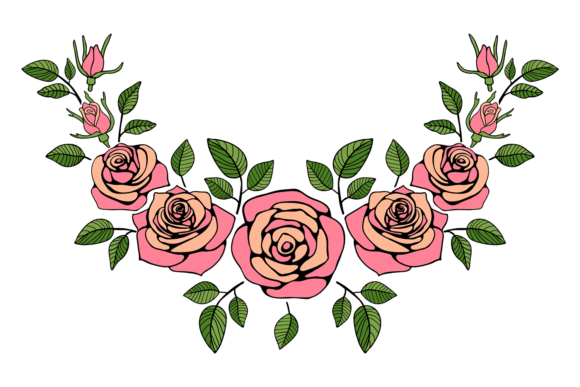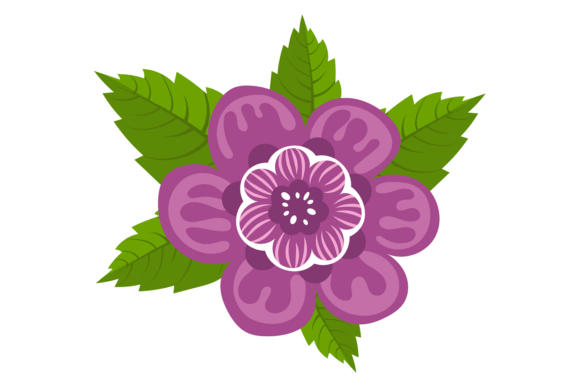
Rose Decorative Element. Rosebud Flower.
First Impressions: Delicate, Not Fussy — A Quiet Statement
When I opened Rose Decorative Element. Rosebud Flower., what struck me wasn’t flash or complexity—it was restraint. This isn’t a blooming garden rose; it’s a tightly closed bud, just beginning to unfurl. The line work is clean and confident—no shaky vectors or pixelated edges—and the composition feels intentional: centered, balanced, and gently asymmetrical in the curve of its outer petals. It reads as soft but not saccharine, romantic but not cliché. For embroidery designers who’ve seen one too many over-rendered florals, this one breathes. It’s the kind of illustration that works equally well on a linen tea towel for a bridal shower or a minimalist baby onesie.
A Real-World Test: Stitching It onto a Cotton Canvas Tote
Last week, I used Rose Decorative Element. Rosebud Flower. for a small-batch embroidered tote bag—natural canvas, medium-weight, lightly textured. I digitized it as a machine embroidery design with a satin-stitched outline and subtle fill stitch in the petal base (not dense, not sparse—just enough to hold shape without stiffness). The result? Crisp, graceful, and surprisingly dimensional. Customers paused at the booth to touch it—not because it was flashy, but because the stitching followed the drawing’s quiet rhythm. That tells me something important: this design translates well from screen to stitch without demanding heavy correction. It doesn’t fight the fabric; it settles into it.
Where It Shines — And Where It Asks for Thought
Rose Decorative Element. Rosebud Flower. excels in projects where subtlety equals sophistication:
- Custom apparel: Works beautifully on sweatshirt cuffs, t-shirt hems, or collar accents—small enough to avoid bulk, detailed enough to read clearly.
- Baby embroidery: Its gentle scale and organic shape suit onesies, burp cloths, and nursery pillows without overwhelming delicate proportions.
- Embroidered patch: Clean lines and isolated layout make it ideal for iron-on or sew-on patches—no background cleanup needed.
- Holiday or wedding gifts: Paired with neutral thread (heather grey, oatmeal, dusty rose), it reads timeless—not seasonal, not trendy.
- Etsy seller & small shop product: Looks polished in printable mockups and digital previews. Because it’s delivered as EPS, SVG, JPG, and transparent PNG, it adapts easily to listing visuals, social banners, and packaging labels.
But—and this matters—Rose Decorative Element. Rosebud Flower. isn’t universally forgiving. Use caution with:
- Stretchy fabric: The curved petal edges need stable tension. Always pair with cutaway stabilizer, especially on knits.
- Dark fabric: While the transparent PNG helps, test thread contrast first—light peach or ivory thread can disappear on charcoal or navy unless you add a subtle underlay.
- Curved surfaces like caps: The bud’s compact shape holds up better than sprawling florals, but avoid placing it near the crown seam where distortion creeps in.
- Tiny hoop sizes (under 3”): The outer petal tips and center detail shrink quickly. If your smallest hoop is 2.5”, simplify the inner fill or skip the fine center stroke entirely.
- Frequent-wash items: Like all floral embroidery, tight satin stitches on high-curve areas (like the bud’s tip) benefit from a light zigzag or running-stitch reinforcement if durability is critical—think kitchen towels or kids’ aprons.
What It Does for Your Handmade Product—Beyond Aesthetics
This isn’t just about prettiness. Rose Decorative Element. Rosebud Flower. quietly lifts perceived value. On a plain cotton pillow cover, it signals care—not mass production. On a personalized gift, it adds warmth without clutter. For an Etsy seller, it supports brand consistency: imagine using it across a line of botanical-themed tea towels, baby blankets, and greeting cards—all unified by that same restrained rosebud motif. Buyers notice that cohesion. They trust it. And when you list a finished product, that recognizable, well-executed detail improves click-through and conversion—not because it shouts, but because it feels considered.
Practical Embroidery Designer Notes You’ll Want to Keep Handy
Before stitching Rose Decorative Element. Rosebud Flower. into your next project, do these five things:
- Test on scrap fabric first—especially if using textured or lightweight material. See how the petal curves translate in thread.
- Check thread color contrast in both natural and artificial light. What reads softly in daylight may vanish under store lighting.
- Review stitch density. If your digitized version feels heavy, reduce fill density by 10–15%—this design thrives on airiness.
- Confirm licensing terms. Since it’s listed under Illustrations and Graphics, verify whether commercial use (e.g., selling embroidered totes or digital embroidery files) is permitted before scaling.
- Use proper stabilizer. Even on stable cotton, a light tear-away + cutaway combo keeps those delicate outer curves crisp and prevents puckering.
Final Thought: A Design That Respects the Maker—and the Wearer
What makes Rose Decorative Element. Rosebud Flower. stand out isn’t technical perfection—it’s thoughtful proportion and emotional resonance. It doesn’t shout “look at me.” It says, “I belong here.” Whether you’re stitching it onto a holiday gift for a new parent, branding a boutique line of kitchen linens, or building a cohesive set of digital embroidery files for your craft business, this rosebud carries weight without heaviness. It’s proof that sometimes, the most effective design assets are the ones that let the maker—and the handmade product—take center stage.