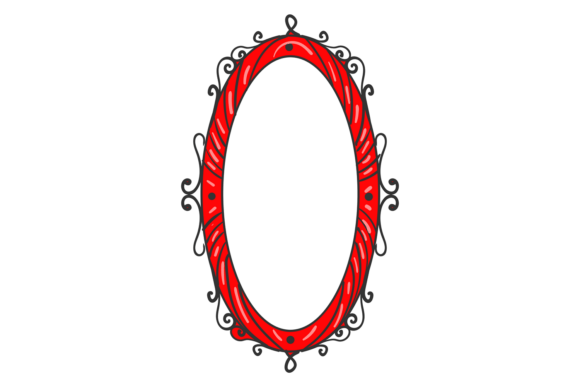
Doodle Round Border. Decorative Hand Dra
First Impression: Whimsy That Feels Handmade, Not Hand-Drawn
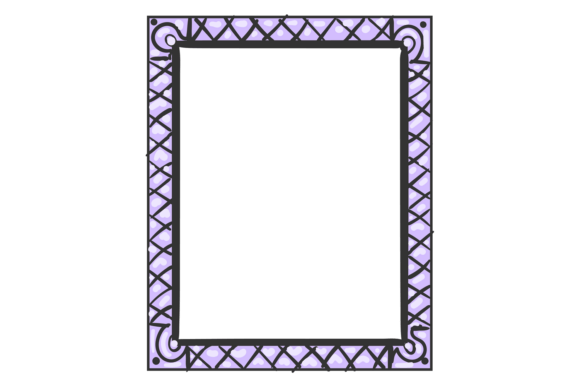
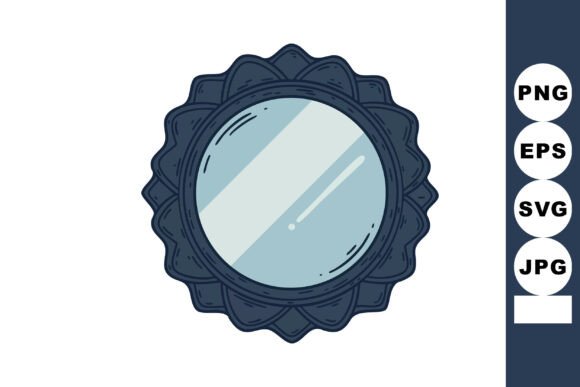
When I opened Doodle Round Border. Decorative Hand Dra, what struck me wasn’t just the shape—it was the breathing room. This isn’t a tight, symmetrical frame; it’s a soft, uneven circle with looping vines, tiny stars, and playful dashes that taper off like a pen lifted mid-thought. It feels intentionally imperfect—like something sketched on a napkin before being digitized with care. That looseness is its strength: it reads as warm, approachable, and authentically handmade—not sterile or over-engineered. For embroidery designers who’ve seen too many rigid clipart borders, this one lands like a quiet exhale.
A Real Project Test: Embroidering a Linen Kitchen Towel for a Local Boutique
Last week, I used Doodle Round Border. Decorative Hand Dra to frame a custom monogram on a heavyweight linen tea towel—destined for a small-town kitchen boutique. I chose a 4.5-inch hoop, placed the border centered but slightly off-kilter (to lean into its hand-drawn charm), and stitched it in matte cotton thread using a mix of satin stitch for the thicker vines and running stitch for the finer doodle lines. The result? A finished product that looked curated, not mass-produced. Customers paused at the display—not because it shouted, but because it invited touch and attention. That’s the quiet power of this design: it elevates simple items without overwhelming them.
Where It Shines—and Where It Needs Thoughtful Handling
Doodle Round Border. Decorative Hand Dra excels on stable, medium-weight fabrics: canvas tote bags, cotton aprons, twill caps, and baby onesies made from Pima cotton. Its open layout and moderate detail level translate cleanly to machine embroidery design—no micro-details that vanish under thread, no fragile stems that break during hooping. As an embroidery file, it breathes well: stitch density feels balanced, not dense enough to pucker lightweight knits, not sparse enough to look unfinished on heavier weaves.
That said—don’t rush it onto stretchy fabric like jersey t-shirts or curved surfaces like structured baseball caps without testing. The irregular outer edge means stabilizer choice matters more than usual: a medium-weight cutaway works best for apparel, while tear-away suffices for stable linens or quilting cotton. And avoid placing it directly over seams or darts—those subtle shifts in fabric tension can distort the doodle’s organic flow.
On dark fabric? It holds up—but only if you use high-contrast thread (think cream on charcoal, or mustard on navy). On textured fabric like bouclé or thick terry cloth? Scale it up slightly (5–10%) so the fine lines don’t get swallowed. And never skip the scrap test: run it on your exact fabric-stabilizer-thread combo first. What looks charming in an SVG preview won’t always translate to clean satin stitch on real cloth.
Design Personality Meets Practical Use
This isn’t a “filler” border—it carries tone. Doodle Round Border. Decorative Hand Dra leans gentle, nostalgic, and quietly confident. It fits naturally on nursery decor (framing baby names on crib sheets), holiday embroidery (a wreath-like base for a tiny embroidered snowflake or heart), personalized gifts (embroidered pillow covers for weddings or new parents), and small shop merchandise (think branded patches for indie coffee roasters or bookshops). It doesn’t scream “trendy”—it whispers “thoughtful.” That builds customer trust, especially for Etsy sellers and craft fair vendors whose buyers value authenticity over polish.
But here’s what I watch for: brand consistency. If your shop uses sharp, geometric motifs elsewhere, dropping this soft, sketchy border in might feel disjointed. Use it where warmth and humanity are part of your story—not as visual wallpaper.
What This Design Says About Your Finished Product
When customers see Doodle Round Border. Decorative Hand Dra on a finished product, they subconsciously register intention. They sense time taken, care applied, and a human hand behind the work—even when it’s machine-stitched. That perception lifts perceived value: a $28 embroidered sweatshirt feels like a keepsake, not just apparel. It also boosts giftability. People buy handmade products for emotional resonance, and this border delivers it—not through complexity, but through character.
For digital product sellers, it’s a smart addition to a “hand-drawn essentials” bundle. As Graphics, it layers beautifully in printable mockups—especially when paired with handwritten fonts or watercolor textures. Just remember: if you’re selling the embroidery file itself or finished goods made from it, confirm licensing terms. The product description mentions EPS, JPG, SVG, and transparent PNG—but those are illustration formats, not native embroidery files. You’ll need to digitize it yourself or source a pre-digitized version. Never assume compatibility with your machine or software.
Designer Notes You’ll Actually Use
- Test Doodle Round Border. Decorative Hand Dra on scrap fabric *before* committing to client work—especially with textured or dark materials.
- Check thread color contrast in both natural and artificial light; matte threads read softer, glossy threads pop more.
- Review stitch direction in the digitized version—if you’re doing the digitizing, keep vine curves flowing smoothly, not jagged.
- Confirm hoop size matches your intended application: 3.5" for baby onesies, 5" for tote bags, 6" for large pillow covers.
- Inspect corners and junctions in the design file—hand-drawn styles sometimes leave unintentional gaps that become holes in stitching.
- Run black-and-white mockups to assess clarity without color distraction.
- Use proper stabilizer: cutaway for stretch, tear-away for stability, fusible for lightweight layers.
- Verify commercial use rights—this is critical for Etsy sellers and small shop owners selling physical or digital embroidery files.
Final Thought: A Frame That Doesn’t Fade Into the Background
Doodle Round Border. Decorative Hand Dra isn’t flashy—but it’s memorable. In a market saturated with overdesigned, algorithm-optimized graphics, it stands out by refusing to shout. It’s the kind of Illustrations asset that makes embroidery feel personal again: not just stitched, but considered. Whether you’re building a craft business, launching a boutique line, or creating one-of-a-kind personalized gifts, this border earns its place—not as decoration, but as quiet intention made visible.