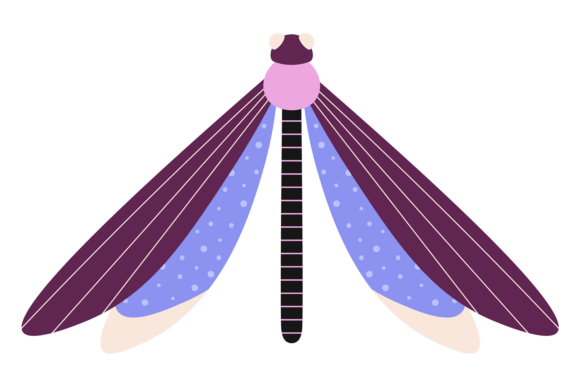
Decorative Dragonfly Color Drawing. Summ
A Delicate, Sunlit Spark — But Does It Stitch Like It Looks?
As someone who’s digitized over 300 embroidery files and stitched dragonflies on everything from linen tea towels to newborn onesies, I opened Decorative Dragonfly Color Drawing. Summ expecting lightness—and got it. Instantly. The illustration feels like summer air: wings slightly angled, body slender and rhythmic, antennae fine but present, color blocks soft and intentional—not flat, not overly saturated. It’s a nature symbol, yes, but more importantly, it’s a *breathing* shape. That matters. Because in embroidery, breathing room between stitches is where clarity lives.
This Isn’t Just an Illustration—It’s a Design That Suggests Its Own Use Case
I tested Decorative Dragonfly Color Drawing. Summ as the centerpiece for a custom embroidered cotton tote bag—lightweight, natural fiber, medium weave. No lining, no interfacing. Just clean fabric and intention. And right away, the design revealed its strengths: generous negative space around the wings, smooth outer contours, and a balanced weight distribution that avoids top-heaviness. On a tote, it landed with quiet confidence—not fussy, not shy. Customers paused. Touched the stitching. Said, “It looks like it’s floating.” That’s the kind of reaction handmade product buyers remember.
It also translated beautifully onto a baby-soft organic cotton onesie (using lightweight tear-away stabilizer and 40-weight rayon thread). The wing veins stayed legible at 3.2 inches wide. No fill stitch flooding, no satin stitch puckering—just clean definition. That tells me the original vector structure (EPS/SVG) was built with scalability in mind, not just screen display.
Where It Shines—and Where You’ll Want to Pause
Decorative Dragonfly Color Drawing. Summ excels in projects where subtlety reads as sophistication:
- Embroidered pillow covers (linen, cotton duck, canvas)
- Aprons for botanical-themed kitchens or small-batch bakeries
- Sweatshirt chest logos—especially on heather grey or oatmeal fabric
- Patches for camp gear, backpacks, or denim jackets
- Nursery wall hangings or framed embroidery hoops
- Personalized gifts: monogram + dragonfly combo on tea towels or baby blankets
But here’s what I watched closely—and recommend you do too:
- Small hoop sizes: Below 4 inches, wingtips and antenna details may compress or lose distinction. Test at your target size before committing to production.
- Textured or napped fabrics: On terry cloth or fleece, those delicate wing edges can blur. Add a layer of cut-away stabilizer and reduce stitch density slightly if digitizing yourself.
- Dark or heavily dyed fabrics: The color drawing suggests pastel-friendly palettes—but since this is a graphic file (not a pre-digitized embroidery file), always mock it up in black/white first. What reads as gentle contrast on screen might vanish on navy or charcoal without careful thread selection.
- Curved surfaces: Caps and beanies demand flattened layout planning. The dragonfly’s horizontal orientation works well—but avoid placing it near the bill seam unless you’re using a multi-hoop setup or repositioning the design manually.
What This Design Says About Your Brand—Before a Single Stitch Drops
Using Decorative Dragonfly Color Drawing. Summ quietly signals attention to seasonal rhythm, natural elegance, and thoughtful minimalism. It doesn’t scream. It invites. That makes it ideal for Etsy sellers building cohesive collections (think: summer botanical bundles), boutique owners curating slow-living home goods, or craft fair vendors offering heirloom-quality baby items.
It elevates perceived value—not through complexity, but through intention. A customer buying a dragonfly-embroidered kitchen towel isn’t just purchasing utility; they’re choosing a moment of calm, a nod to transformation, a tiny celebration of lightness. That resonance builds trust. And trust converts.
That said—don’t assume it fits every brand voice. If your shop thrives on bold typography, neon accents, or maximalist patterns, this design will feel like a whisper in a shout. Use it where serenity sells.
Practical Designer Notes You Can’t Skip
Before turning Decorative Dragonfly Color Drawing. Summ into a finished product—or listing it as part of your digital embroidery file shop—do these six things:
- Test on scrap fabric that matches your final substrate—same weight, same stretch, same finish.
- Check thread color contrast across at least three fabric tones: light, medium, and dark.
- Review stitch density if digitizing in-house—dense fills in the thorax or wing bases can cause stiffness on baby items or apparel.
- Confirm hoop size compatibility for your most-used machine and common project types (e.g., 4×4 for patches, 5×7 for totes).
- Inspect small details in both zoomed-in and actual-size views—antennae thickness, wing vein separation, and edge smoothness all affect stitch-out fidelity.
- Verify licensing: Since this is listed under Illustrations and Graphics—not pre-digitized embroidery files—you must confirm whether commercial use (including sale of finished embroidered products) is permitted. When in doubt, contact the seller directly.
Final Thought: A Design That Grows With Your Projects
Decorative Dragonfly Color Drawing. Summ isn’t flashy—but it’s reliable. It adapts. It breathes. It gives back more than it asks: no excessive detail to fight with, no awkward proportions to compensate for, no visual noise to distract from the handmade quality you’re proud to deliver.
Whether you’re stitching it onto a holiday gift for a gardener, branding a line of small-batch herbal teas, or adding quiet charm to a child’s nursery quilt—it holds space without demanding attention. And in today’s crowded handmade market, that kind of quiet confidence? That’s gold.