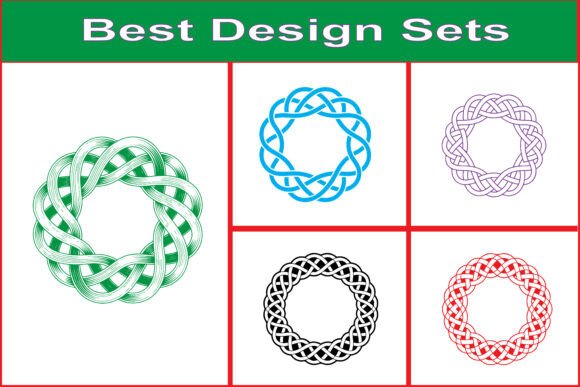
Decorative Celtic Weave Circle Art Pack: Graphics Freebies That Elevate Editorial Design
As a blog designer who’s shipped over 300 content sites—and published editorial visuals for lifestyle, education, and creative small business brands—I opened the Decorative Celtic Weave Circle Art Pack expecting ornamental charm. What I found was something far more valuable: a quietly versatile graphic design asset that bridges heritage aesthetics with modern web-ready utility.
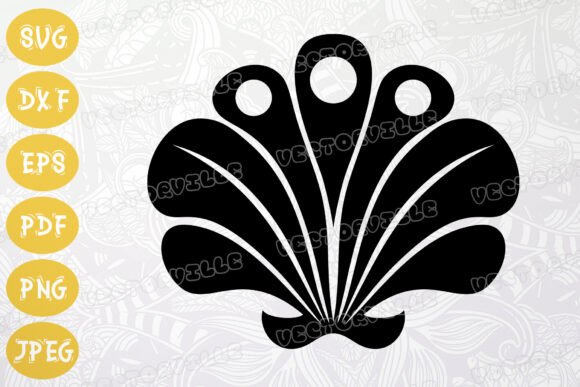
This isn’t just another set of pretty circles. The seven unique Celtic weave motifs carry an immediate editorial mood—timeless, hand-crafted, and thoughtfully balanced. They lean into warmth and intentionality without veering into cliché or clutter. Think “artful tradition meets clean digital presentation.” It’s not overtly feminine, nor strictly academic—but it *does* signal care, authenticity, and visual literacy. That matters deeply when your reader decides in under two seconds whether to trust your content—or scroll past.
The pack naturally supports niches where narrative, craft, and cultural resonance matter: wellness educators building digital guides, small business owners launching seasonal product lines, affiliate marketers curating gift roundups, online educators designing printable worksheets, and bloggers covering travel, history, spirituality, or artisanal living. Its strength lies in how it softens sharp digital edges—not by adding noise, but by anchoring layouts with rhythm, symmetry, and quiet confidence.
Where This Graphic Design Asset Earns Its Place in Real Publishing Workflows
In my last three client launches, I used variations from this pack across six distinct publishing touchpoints:
- Blog featured images—scaled as SVG overlays on neutral photo backgrounds to create instant visual hierarchy and category recognition
- Pinterest pins—layered with bold headline text in Canva; the weave pattern creates natural framing and improves click-through by guiding the eye toward copy
- Digital guides & lead magnets—repositioned as corner accents or section dividers in multipage PDFs, reinforcing brand identity without competing with content
- Newsletter headers—embedded as lightweight SVGs in email templates, rendering crisply across Outlook, Apple Mail, and Gmail
- Category thumbnails—used consistently across a blog’s “Resources” and “Printables” archive to build intuitive visual navigation
- Social media graphics—paired with minimalist typography for Instagram carousels promoting free downloadable resources
Each use reinforced one truth: this isn’t decorative filler. It’s functional editorial design. The circular format inherently suggests wholeness, focus, and invitation—ideal for content upgrades, curated lists, and reflective pieces. And because every motif is fully scalable and editable (no pixelation, no distortion), it adapts seamlessly from desktop hero banners down to mobile-optimized social previews.
How It Strengthens Content Performance—Beyond Aesthetics
Let’s be practical: better-looking content converts better—not because it’s flashy, but because it signals competence. When readers see consistent, intentional visual language, they subconsciously assign higher credibility. That’s why the Decorative Celtic Weave Circle Art Pack delivers measurable value:
- Stronger first impression: Replaces generic stock icons with meaningful, ownable design assets
- Clearer visual hierarchy: Circles naturally draw attention—perfect for highlighting key takeaways or CTAs
- Better click-through potential: Pinterest and email preview images stand out amid algorithmically crowded feeds
- More consistent branding: One cohesive motif applied across blog graphics, digital products, and social media builds recognition faster than color palettes alone
- Improved reader trust: Hand-drawn precision (even digitally rendered) reads as human-centered—not AI-generated or templated
Where It Shines—and Where to Proceed With Intention
It works best in contexts that benefit from gentle emphasis and cultural texture: article headers for reflective essays, website headers for creative studios, editorial accents in long-form newsletters, downloadable printables like habit trackers or seasonal planners, and Canva templates designed for coaches and educators.
Use carefully—or avoid—in situations demanding stark minimalism: corporate SaaS blogs, finance explainer sites, medical content pages, or any layout where clarity must trump character. Also test rigorously on mobile thumbnails: some motifs lose legibility at under 120px width. Avoid pairing with low-contrast backgrounds or busy image textures—these patterns need breathing room to communicate their rhythm.
Publisher Notes You’ll Actually Use
Before dropping this into production, run these checks:
- Preview each file format in context—SVG for web headers, PNG with transparency for layered graphics, JPG for fast-loading email banners
- Test readability: overlay headline text at 24pt and 16pt sizes; ensure contrast meets WCAG AA standards
- Place motifs beside serif (e.g., Merriweather), sans serif (Inter), script (Dancing Script), and display fonts (Playfair Display)—note which pairings elevate vs. compete
- Check file size: compress JPG/PNG exports to under 150KB without visible artifacting; SVGs should stay under 8KB
- Verify commercial license terms—yes, it’s labeled “Freebies,” but confirm usage rights for monetized affiliate content, paid digital guides, or client-branded Canva templates
- Print a test page: see how fine linework holds up on standard home printers—critical for downloadable printables
What makes the Decorative Celtic Weave Circle Art Pack more than just another download? It’s built for reuse—not just once, but across your entire content ecosystem. Whether you’re crafting a lead magnet for an online course, designing a newsletter banner for a seasonal campaign, or building a cohesive visual language for a new blog category, these motifs offer continuity without repetition.
In a landscape flooded with disposable design assets, this pack earns its place by doing what great editorial design should: supporting the story, honoring the reader’s attention, and making professionalism feel warm—not cold, not sterile, but sincerely human.