Classic Lace Borders
A Timeless Design for Real Projects
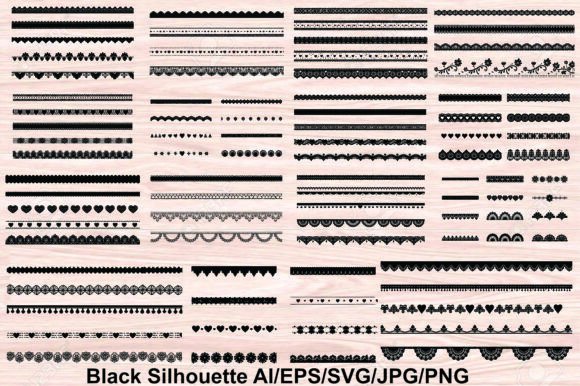
Lace Pattern, Classic Lace Borders is a design that immediately evokes a sense of elegance and refinement. Its intricate, vintage-inspired detailing suggests a history of craftsmanship, making it a strong candidate for projects that require both visual appeal and a touch of sophistication. As an experienced designer, I find myself drawn to its ornate lines and delicate symmetry, which suggest it’s more than just a decorative element—it's a statement.
The First Impression
Upon first glance, the design feels like a piece of heirloom embroidery brought into the modern era. The black and white contrast is striking, offering a clean aesthetic that can be easily adapted to various color schemes. The layout is balanced, with borders that flow seamlessly from one side to another, creating a sense of continuity and harmony. This makes it ideal for use on larger surfaces or as a repeating pattern in smaller formats.
One thing that stands out is the level of detail. Each line, curve, and corner is meticulously crafted, suggesting a high degree of skill in its creation. However, this also means that the design may not be suitable for every project. It requires careful consideration of fabric type, hoop size, and stitching technique to ensure the final result meets expectations.
Real-Life Use Cases
When thinking about how Lace Pattern, Classic Lace Borders would perform in real-life embroidery situations, several scenarios come to mind. For instance, using it on a custom embroidered tote bag could add a classic touch to a practical item, transforming it into a statement piece. Similarly, applying it to a baby item like a onesie or bib could bring a timeless charm to children's wear.
On a sweatshirt or t-shirt, the design would stand out against a solid background, especially when paired with contrasting thread colors. It could also work well on caps or hats, where its vertical orientation complements the shape of the head. For those looking to create personalized gifts, such as embroidered patches or pillow covers, the design offers versatility and a refined look.
In commercial settings, such as boutique branding or Etsy listings, the design has the potential to elevate product presentation. Whether used as a standalone element or combined with other patterns, it adds a layer of sophistication that appeals to discerning customers.
Considerations for Success
While Lace Pattern, Classic Lace Borders is visually appealing, there are certain scenarios where it may require extra care. Small hoop sizes can limit the design’s full expression, potentially leading to distortion or loss of detail. Textured fabrics, thin materials, or stretchy surfaces may also affect stitch clarity and overall appearance.
Dark fabrics, in particular, can make the design appear less vibrant unless thread colors are carefully selected. Layered garments or curved surfaces like caps may require additional stabilizer or adjustments in stitch density to maintain quality. Detailed corners and dense stitch areas should also be tested on scrap fabric before committing to a finished project.
For products that undergo frequent washing, such as tea towels or kitchen linens, the durability of the design becomes a key factor. Ensuring proper stabilizer use and stitch density can help preserve the integrity of the embroidery over time.
Design Impact and Practical Notes
The visual appeal of Lace Pattern, Classic Lace Borders is undeniable. It brings a sense of craftsmanship and attention to detail that enhances the handmade product it adorns. From a customer perspective, the design adds value by suggesting quality and care in the production process.
However, the success of the design ultimately depends on how it is applied. As an embroidery designer, I recommend testing the design on scrap fabric first. Checking thread color contrast and reviewing stitch density can help identify potential issues before moving to the final product.
Confirming hoop size and stabilizer type is essential for achieving the best results. Testing the design in black and white mockups can also provide insight into how it will look on different fabric backgrounds. Comparing light and dark fabric samples ensures the design maintains its intended effect across various applications.
When considering commercial use, it’s important to verify licensing terms and confirm whether the design can be sold as part of a finished product or digital asset. This step is crucial for maintaining brand consistency and avoiding legal complications.
Final Thoughts
Lace Pattern, Classic Lace Borders is a versatile and elegant design that has the potential to enhance a wide range of embroidery projects. Its vintage-inspired detailing and balanced layout make it a strong choice for both personal and commercial use.
Whether you're crafting a custom apparel piece, a personalized gift, or a small shop product, this design offers a refined aesthetic that aligns with the values of handmade creativity and quality craftsmanship. With careful planning and execution, it can become a standout feature in your embroidery portfolio.